Find out how to verify a venue’s current status, what to check before visiting, and how physical venues differ from online pokies.
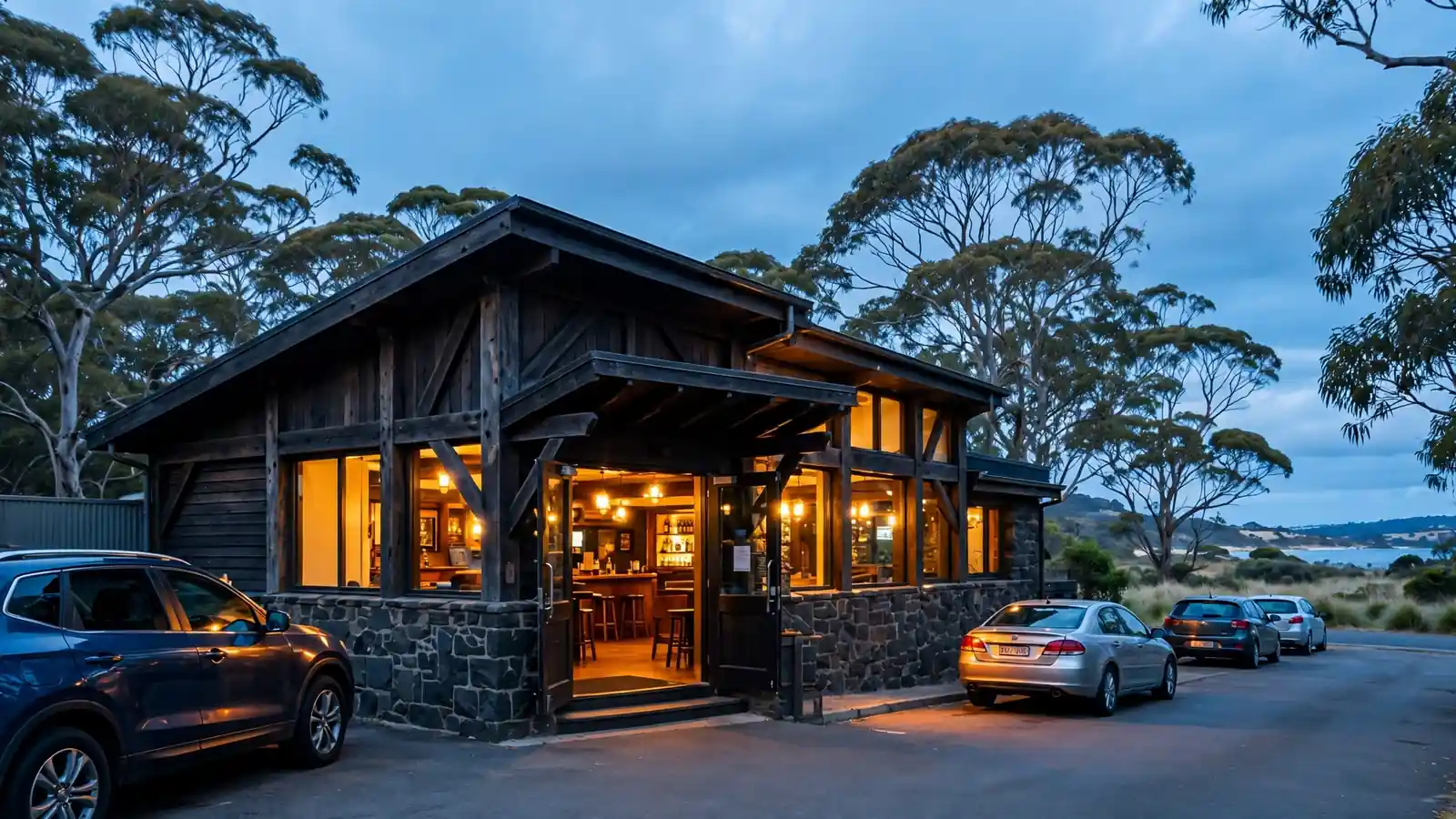
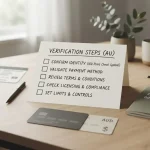
A venue appearing in a map result or directory is not proof that you can enter it now. Listings can be outdated, and a page that describes a venue does not necessarily confirm its present status. Before setting out, check the exact place you intend to visit and look for a recent, direct confirmation that it is open to visitors.
I treat this as a simple two-part check: first identify the venue correctly, then confirm its current status with a source close to the venue itself. That is more dependable than relying on a search result’s short summary.
Start with the venue’s own website or official social-media page. Check that the address and contact details match the place you mean to visit. A name alone can be misleading: similar names may refer to different businesses, and a result mentioning a place outside Tasmania does not establish that there is a corresponding venue in the state. If a result uses a broad label such as “casino” or “pokies”, make sure it refers to a physical venue and not an online service or an old listing.
Be cautious with pages that have no clear owner, lack contact information, or repeat generic descriptions without a recent update. A directory entry can help you locate a venue, but treat it as a starting point rather than confirmation. If you are searching for a particular name, including “Crown Tasmania”, do not assume the wording itself identifies a Tasmanian venue. Check the exact address and the venue’s own current information before making plans.
 Pokies by Region: Australian Casino GuidesExplore pokies and casino topics by Australian city and state, including Adelaide, Brisbane, Melbourne, Sydney, Tasmania and Western Australia.
 Best Pokies in New South Wales: Venue GuideExplore NSW venue entry, machine-floor criteria, online access limits and location questions. Players must be at least 18 and show ID before…
Once you have matched the name to the right address, check the venue’s own recent notices. Look for a clear statement about whether it is operating and whether visitors can enter. A dated update is more useful than an undated page, and a recent post about a temporary closure or change should take priority over an older general listing.
If the website is unclear, contact the venue using a phone number or contact channel published on its own official page. Ask plainly whether it is open to visitors now. If you are making a special trip, confirm that the relevant public areas are accessible; a business may be operating in some capacity without every part being available. A direct answer is useful. A ringing phone, an automated message, or an unanswered social-media comment is not confirmation.
Keep the question focused on current access, rather than relying on a broad request for “opening times”. You are trying to establish whether you can visit at the point you plan to arrive. If the answer is vague, check again close to departure or choose not to rely on that listing.
Map services and travel directories can be handy for finding a venue’s location and contact details. They are less reliable as the final word on a changing status. A label such as “open” may not tell you when the information was last checked, and user-edited details can lag behind a venue’s own announcement.
Use a third-party listing to find the official page or phone number, then confirm there. If the listing and the venue’s own notice disagree, do not assume the listing is right simply because it appears first. Check the date on each source and contact the venue if the difference remains unresolved.
The same caution applies to snippets that appear above a page in a search result. They may be drawn from information that has changed, or may summarise a general business profile rather than a live update. Open the page, inspect the details, and follow through to an official contact channel.
A confirmation can become stale. If there is a gap between checking and leaving, revisit the official page or call again, especially if the first answer was uncertain. Keep the venue’s number and address handy so you can resolve a last-minute doubt without starting the search again.
For a quick check, I use this order:
No single online label settles the question. A current, direct response from the venue is the clearest basis for deciding whether to travel; if you cannot get one, treat the status as unconfirmed. Better a pause than a wasted trip.
If you’re looking for pokies options in Tasmania in 2026, this list gives you a concise reference point for reviewing the details available for each operator. Check the licensing and payment information that matters to you before choosing where to play.
Lucky Dreams
Lucky Dreams lists a A$20 minimum deposit using POLi. Its stated license is Curacao.
Ricky Casino
Ricky Casino lists crypto payouts in under an hour and PayID payouts in 1–3 business days. The minimum deposit is A$20, or A$30 to qualify for the bonus.
Neospin
Neospin lists a Curacao Gaming Control Board license, OGL/2023/176/0095, held by Hollycorn N.V.
Vegaz Casino
Vegaz Casino lists Curacao license OGL/2024/1335/0780 and a minimum deposit of EUR 20.
LuckyVibe
LuckyVibe lists a Curacao Gaming Control Board license, OGL/2023/176/0095, held by Hollycorn N.V.
DragonSlots Casino
DragonSlots Casino lists a Curacao Gaming Authority license, with Jumpman Gaming Ltd as the operator.
SkyCrown
SkyCrown lists a Tobique Gaming Commission license. Its stated payout speeds are about 10–15 minutes for crypto and 1–5 days for fiat; the minimum deposit is A$30.
Uptown Pokies
Uptown Pokies states that it has operated since 2017 and lists a Curacao license. Its minimum deposit is A$20.
SpinsUp
SpinsUp lists a Curacao Gaming Control Board license, OGL/2023/174/0082, held by Dama N.V.
7Bit Casino
7Bit Casino lists Curacao licensing and is operated by Dama N.V.
A published return percentage can look like a neat way to compare pokies in Tasmania. It is not a promise about what you will get back, and it cannot tell you how a particular visit will go. Treat it as information about a game setting, not a forecast for your session.
The key detail is that some game providers give casinos a choice of return settings for the same pokie. A specialist review has reported this practice, which means a figure attached to a game name may not describe every version of that game. The return can differ between casinos even when the title is the same. If a figure matters to your comparison, check that it refers to the exact game and setting available at the venue you are considering. A game name alone does not settle it.
Even a clearly stated percentage describes a theoretical return over a very large number of plays, not a result you can expect from one person’s session. It does not promise that a certain share of your spend will come back to you, or that losses will be balanced by a win later. A short visit is too small a sample to turn a published figure into a personal prediction. That is where “best-paying” can mislead: it sounds like a ranking of what you will receive, when the figure cannot provide that answer.
 Best pokies in Adelaide: venue and play checksLearn how to verify gaming-area hours, assess venue listings and understand the limits of “best” claims; general opening times may not confirm…
 Adelaide Casino: Hotel, Dining and Visit DetailsLearn how to distinguish casino venue information from hotel bookings, and what to check in room offers, dining, parking and visit details.
I’ve found it more useful to separate two questions: what return setting is being quoted, and what might happen when you play. The first is a matter of checking the information for the particular version. The second cannot be settled by that information. Each spin is generated independently by a Random Number Generator, so a previous result does not make a win more or less due on the next spin. A streak can feel meaningful while it is happening; it does not change the next outcome.
That also means there is no reliable way to identify the best pokies in Tasmania by looking at a headline figure alone. A comparison may help you ask better questions, but it does not establish which game will pay you more on a particular night, at a particular casino, or over a particular run of spins. Nor does a higher published return mean that a game is safer for your budget. The amount you choose to spend and the time you choose to spend are still decisions you control; the outcome is not.
When you see a return figure in material about Tasmania casino pokies, look for what it actually applies to. Is it tied to the same game version and setting you will encounter? Is the information clearly presented, rather than attached to a general game description? If those details are unclear, the headline number is a weak basis for choosing. You do not need to turn a casual outing into a research project, but it is sensible not to treat a vague figure as a guarantee.
This applies whether you are comparing pokies in a city venue or reading about games more broadly. A list labelled “best paying” may sound decisive, but without a confirmed setting for each game it can compare unlike versions. Even a well-matched comparison cannot tell you the result of your own play. The honest use of return information is limited: it can describe a theoretical feature of a particular setting, not name a winner for your next session.
So when weighing up a pokie, keep the wording modest. A published return may offer one point of comparison if it is specific and relevant. It cannot promise a payout, predict a run, or turn randomness into a strategy. The label is not a forecast.
If you’re travelling to a Tasmanian pokies venue from an airport or a central area, pin down the destination before choosing how to get there. Tasmania is not one compact stop: a result labelled “near the airport” or “near the CBD” only makes sense once you know which town and which venue it refers to. A map can make a place look close while leaving out the practical part: how you’ll reach its entrance.
Start with the venue’s own current address, then enter that address into a mapping app. Check that the pin matches the venue name and street address, not just a similarly named place or a broad search result. I wouldn’t set off based on a snippet or map label alone. Search results can be vague, and a pin is a route aid—not proof that you have the right destination.
 Best Pokies in Brisbane: Venues and Online RulesLearn how Brisbane gaming venues differ from real-money online play, and why the Interactive Gambling Act 2001 leaves no Australian-licensed online casino.
 Best Casino in Brisbane: Hotels and Visitor GuideCompare hotel routes and room details, and explore searches about dining, rewards, events and Australian rules without treating listings as verified.
From the airport, decide how you’ll cover the whole trip before you leave the terminal. If you’re driving, check the route, parking information and any road conditions that could affect the journey. If you’re relying on a taxi, rideshare or public transport, check that the service reaches the address you have in mind and where you’ll need to get off. Don’t assume that a route shown for a nearby landmark takes you to the venue entrance.
The same goes when you’re starting from a CBD. “Near the centre” can mean different things depending on your starting point and the street address. Compare the route from where you’ll actually be—your accommodation, a transport stop or another meeting point—rather than choosing the first result with a central label. If the venue is outside the area you expected, revise your transport plan before setting out.
For northern Tasmania or a trip from somewhere else in the state, use the same approach: confirm the town and address first, then check the route and transport options for that specific destination. A general search for nearby pokies won’t tell you whether the result is convenient from your starting point. If you’re travelling from interstate, make sure you have the correct Tasmanian destination in your navigation; a location in Victoria is not a Tasmanian address.
Planning Your Trip
Confirm Destination
Use the venue's own current address and enter it into a mapping app to ensure the pin matches the street address.
Determine Transport
Decide on your method of travel from the airport or CBD, checking route, parking, or public transport accessibility.
Final Verification
Check the destination directly with the venue and review the final approach, such as the specific entrance or drop-off point.
Before you go, check the destination directly with the venue and review your travel details in the app or service you plan to use. Pay attention to the final approach, not just the broad route: road access, the entrance location and the point where a driver can drop you off may matter. Keep the address handy in case your phone’s map result changes or you lose reception along the way.
I plan the trip in two steps: confirm where I’m going, then confirm how I’ll get there. It sounds obvious, but it avoids the familiar mistake of navigating confidently to the wrong pin. The map is useful. The address is the anchor.
When you arrive, take a moment to see how the venue handles questions about gambling harm. You do not need to judge the machines or compare venues to make this check. Look for staff who can explain where to get support and what to do if you or someone with you is feeling uncomfortable.
A report published by regionriverina.com.au describes a requirement that takes effect from 1 July: a venue operating more than 20 gaming machines must have a dedicated responsible gambling officer (RGO) on duty while those machines are running. If the venue appears to fall into that category, you can ask staff who the RGO is and how to speak with them. The role is there to support responsible gambling, not to advise you on which machine to play.
The same report says venues are to keep a gambling incident register. It records occurrences that may indicate a patron is at risk of, or experiencing, gambling harm. That is a venue record, not something you need to request or inspect. What matters to you on the floor is whether staff respond appropriately if someone appears distressed or is having difficulty stopping.
I’d also pay attention to the practical side of getting help. Is it clear whom you can approach? Can staff explain the support options without brushing you off? If you raise a concern about your own play or someone else’s, notice whether the response is calm and respectful. A polished room tells you little by itself. The way a venue handles an awkward conversation is more revealing.
If you are visiting with a friend, agree beforehand on what you will do if either of you wants to leave or take a break. That simple conversation can make it easier to act on the decision when you are there. You can also decide on your own limit before play begins; do not rely on staff or a machine to make that choice for you.
These checks are about safeguards and staff support, not a verdict on which Tasmanian venue is “best”. A venue may have different facilities or a different atmosphere, but neither tells you how a particular session will go. If you cannot find someone who can explain the support available, ask at the main service point before settling in. If the answer still is not clear, you can choose not to play. No fuss.
Questions about pokies on the Spirit of Tasmania and real-money play online point to two different things. A ferry trip does not establish that a pokie game or gambling service is available on board. I would check the ferry operator’s current information directly for onboard facilities rather than assume that a game mentioned elsewhere is provided during the crossing.
Tasmania-related casino searches can also be ambiguous. A name in a search or a reference to “Crown” is not, by itself, confirmation of a Tasmanian venue, its machines or its current services. Check the venue’s own details before making plans; don’t treat a familiar name as proof of location.
The online position is clearer. Under the Interactive Gambling Act 2001, companies cannot offer real-money online pokies to people in Australia without a domestic licence, and no Australian online-casino licences have been issued. So there is no Australian-licensed online casino. A “no deposit” offer does not change that legal position or turn a site into a locally licensed service.
The law is aimed at operators rather than individual players. Australians are not made criminally liable simply for playing on an offshore site that accepts them. That distinction is not a safety guarantee: if an offshore casino refuses to pay, Australian players have no legal recourse in Australia to recover the winnings. A bonus can make the terms harder to follow, not provide local protection.
PayID is a payment alias linked to Australia’s New Payments Platform. It lets people send a transfer using an email address, mobile number or ABN. But seeing PayID mentioned on a gambling site says nothing about whether the site is licensed, whether its games are fair or what return settings apply. A payment option is not a licence.
If you encounter a site offering real-money online pokies to Australians, don’t mistake the ability to open a page or make a transfer for approval under Australian law. Before any first withdrawal from an offshore operator, check its identity-verification rules and be prepared to provide identity and address documents; verification does not create a right to payment. BetStop applies to Australian-licensed operators only and does not bind offshore sites.
Keep the two plans separate: confirm ferry facilities with the operator, and treat online offers as a distinct legal and financial risk. PayID is a transfer method, nothing more.
A late-night search or a phrase such as “round-the-clock pokies” is a reason to check the hours, not proof that a Tasmanian venue operates through the night. Search listings can be incomplete or out of date, and a result that sounds promising does not confirm when pokies are available.
Before you leave, look for the venue’s own current hours and contact it directly if anything is unclear. Ask specifically about the hours for pokies, rather than assuming they match the venue’s general opening hours. If the information is missing, contradictory or dated, a direct answer is more useful than guessing from a listing.
It is also worth checking the day you plan to go. Hours shown for one day may not apply on another, and a holiday or a change to the venue’s schedule can make an old listing misleading. Confirm the relevant day and whether the hours cover the part of the venue you intend to use.
Keep the distinction clear: a venue’s usual hours are not the same as whether it is open right now. “Open now” information can lag behind a change, while a published schedule may describe normal hours rather than today’s circumstances. If you are setting out late, confirm both the hours and whether the venue is currently operating.
When you contact the venue, keep the question simple: are pokies available at the time you expect to arrive, and are there any changes to the usual schedule? That avoids relying on a broad “open” label that may refer to the venue rather than the gaming area. If you cannot get a clear answer, make another plan rather than treating a search result as confirmation.
I would save the venue’s direct contact details before setting out and check them again if your plans shift. That small step is more reliable than building a late-night trip around an assumption. Around-the-clock wording can sound definite; only the venue can confirm its current schedule.
So, if you are looking for late-night play in Tasmania, treat advertised hours as something to verify, not a promise. Confirm the relevant day, the pokies hours and any change before you travel. Better a quick check than a wasted trip.
When you press the button on a pokie, its outcome is generated by a Random Number Generator (RNG). The important point is that each spin is a fresh, independent event. The machine does not keep a running memory of wins and losses and then adjust the next result to make up for them.
That makes recent results a poor guide to what comes next. A run of losing spins does not mean a win is due, and a recent win does not mean another is more likely. The next spin is not a reply to the last one. I find it helps to treat every press as a separate chance, rather than trying to read a story into a string of results.
The symbols and animations on the screen show the outcome, but they do not provide a reliable way to predict future spins. Nor does changing your timing, waiting for a particular moment or switching machines turn randomness into a pattern you can use. It can be tempting to look for one; the machine’s last few results simply do not tell you what the next spin will be.
This is useful to remember when comparing pokies in Tasmania or choosing what to play at a venue. A machine that has just paid out is not thereby “cold”, and one that has not paid recently is not “ready”. Those labels describe a player’s impression, not a dependable signal about the next result.
Questions about a maximum bet or the largest cash payout are different from questions about how a spin is generated. The RNG explains the basis of the outcome; it does not tell you what stake options or payout conditions apply to a particular machine. If those details matter to you, read the information displayed on the machine and ask venue staff to clarify anything you cannot find. Don’t infer a maximum from a past win or from what another player says happened elsewhere.
The same distinction applies if you are looking around Tasmania for a venue or trying to decide which pokie seems “best”. A spin mechanism cannot promise a particular result, and a streak cannot certify that a machine is due. Keep your decisions tied to the rules and information you can actually check, not to patterns that appear after the fact.
I’d set a spending limit before playing and stop when I reach it, rather than chasing a result that randomness does not owe me. A simple rule, but a useful one.
Looking for online pokies from Tasmania can lead to a confusing distinction: the law treats the operator and the player differently. Under the Interactive Gambling Act 2001, companies cannot provide real-money online casino games to people in Australia without a domestic licence. No Australian-licensed online casino exists. The law targets operators, not individual players, but that does not make an offshore casino a locally regulated service.
The Australian Communications and Media Authority (ACMA) enforces the law and blocks access to illegal offshore gambling sites. A site appearing in a search or loading on your device is not proof that it is authorised to serve Australians; access can be restricted, and a site may stop being reachable. That is a poor foundation for planning a night in.
The bigger practical risk comes if there is a dispute. If an offshore casino refuses to pay winnings, Australian players have no legal recourse in Australia to recover them. You may also have to deal with an operator based overseas, under terms that do not give you the protections you might expect from an Australian business. A polished website does not change that position.
Before depositing or sending documents, read the site’s terms and privacy information carefully. Offshore operators may require identity and address proof before a first withdrawal; check exactly what documents they request and how they handle them. Do not assume that submitting documents means a withdrawal will be approved, or that there is a local authority that can resolve a disagreement. If the terms are unclear, step away rather than treating the uncertainty as a small detail.
BetStop is another point that is easy to misunderstand. It applies only to Australian-licensed operators and does not bind offshore sites. Since there are no Australian-licensed online casinos, registering with BetStop should not be treated as a block on access to offshore casino services. If you want to limit gambling, use tools that you control—such as deposit, loss and session-time limits where available—and seek support if gambling is affecting you.
So when you mean online pokies while in Tasmania, separate the convenience of a site opening from the protections available if something goes wrong. Offshore access is not the same as local regulation, and a local remedy is not available if an offshore casino withholds winnings. The distinction matters.
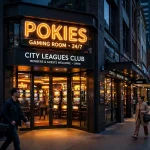
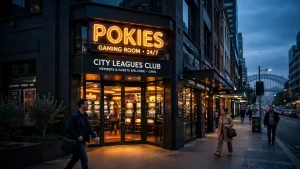
If you’re looking for a club with pokies near a Tasmanian CBD, treat the club name and its gaming facilities as details to confirm, not assumptions. A venue’s general profile may tell you it is a club, but that alone doesn’t establish whether pokies are available there or whether the information is still current. Check the venue’s own current information, then contact it directly if the gaming-room detail matters to your plans.
I wouldn’t build a “best” choice around a CBD label. The centre of a town tells you where a venue is, not whether it suits you. Think first about what you mean by suitable: perhaps you want a club setting, or you want to know whether a particular venue has a self-exclusion option. Confirm those details with the venue rather than relying on an old directory entry, a map pin or a passing mention online. A little checking beats arriving with the wrong picture.
For clubs, be precise about what you’re asking. A question about membership, dining or general facilities is not the same as a question about access to pokies. Ask about the specific facility you intend to use and whether any conditions apply. If you’re comparing places around a CBD, make the same checks for each one; otherwise, you may be comparing a confirmed detail at one venue with an assumption about another.
Self-exclusion is a responsible-gambling tool, but don’t assume that a general mention of it explains how a particular club handles it. Ask the venue what options are available and what steps are involved. If you’re already self-excluded, check the arrangement that applies to you before going in. The useful detail is the process, not a vague reassurance.
One policy change is worth keeping in mind when you see gaming-related signs at a venue. A report by regionriverina.com.au described a one-month transition period for venues to take down signage and bring in responsible gambling officers. That report is a reason to check what you see locally, not proof that every Tasmanian club has made the same change or that a particular sign reflects current practice. Keep the check simple: confirm the venue’s details directly, and don’t let a sign or an old listing stand in for a conversation.
That’s the sensible way to compare CBD-area clubs: verify the facility, ask about the arrangements you care about, and decide from current information. No guesswork required.
“Cashless” can mean different things, so I would pin down what a venue means before setting out. It might refer to how funds are loaded, how play is started, or how money is returned. Those are separate details, not proof that a particular Tasmanian venue has cashless pokies. Ask the venue directly what setup it offers and whether it is currently available.
If you are checking a venue, get clear answers to practical questions: what payment methods it accepts, whether you need a venue card or account, how funds are added and withdrawn, and whether any fees or conditions apply. Do not assume that a sign, a machine feature or another player’s description tells you the full process. Arrangements can differ, and a payment feature alone says nothing about the game’s return or fairness.
I’d also separate payment convenience from tools that help you manage gambling. Deposit limits can restrict what you put in; loss limits can set a boundary on losses; session-time limits can help you keep track of time. Self-exclusion is another option if you need to stop access. These are responsible-gambling tools, not descriptions of a venue’s cashless system. Check which tools are available and how they work before relying on them.
If the answers are vague, treat that as a reason to pause rather than guess. You should understand how money moves in and out before using any payment setup, and decide your own limits before play starts. A cashless option does not make spending invisible or remove the need to keep track.
For a local visit, verify the specific venue’s arrangements with it directly. I would not infer cashless availability from a general description of pokies in Tasmania, or assume that a place mentioned in a location search is in Tasmania. Details first. Then decide.
No. Each spin is an independent random event determined by a Random Number Generator, though the same game can have different return settings at different casinos.
There is no Australian-licensed online casino. If you play at an offshore site, you have no legal recourse in Australia if it refuses to pay your winnings.
Australian players can legally play at offshore sites that accept them, but companies cannot legally offer real-money online pokies to Australians without a domestic licence, and none have been issued.
Yes. PayID is treated like any other qualifying deposit method at the sites in question.
You must be at least 18 years old to gamble online in Australia.